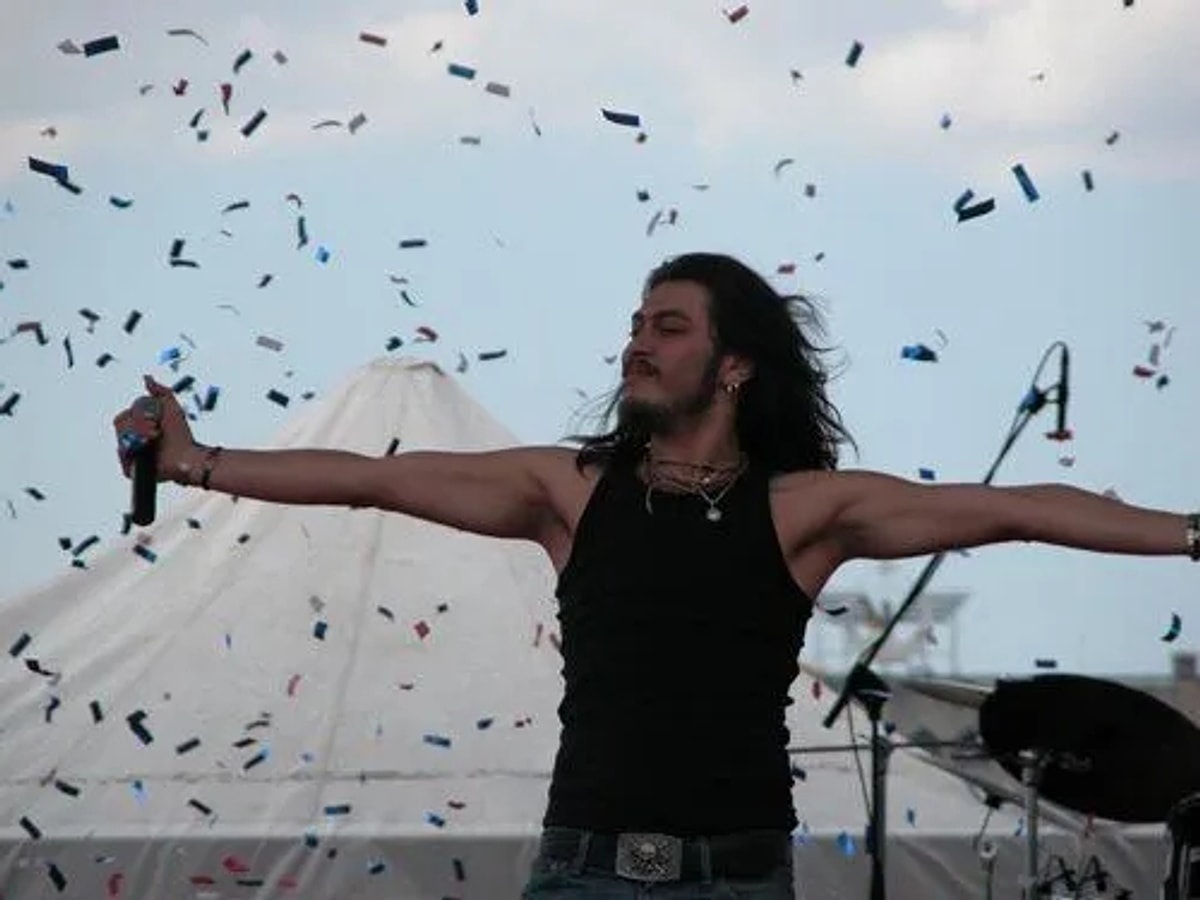
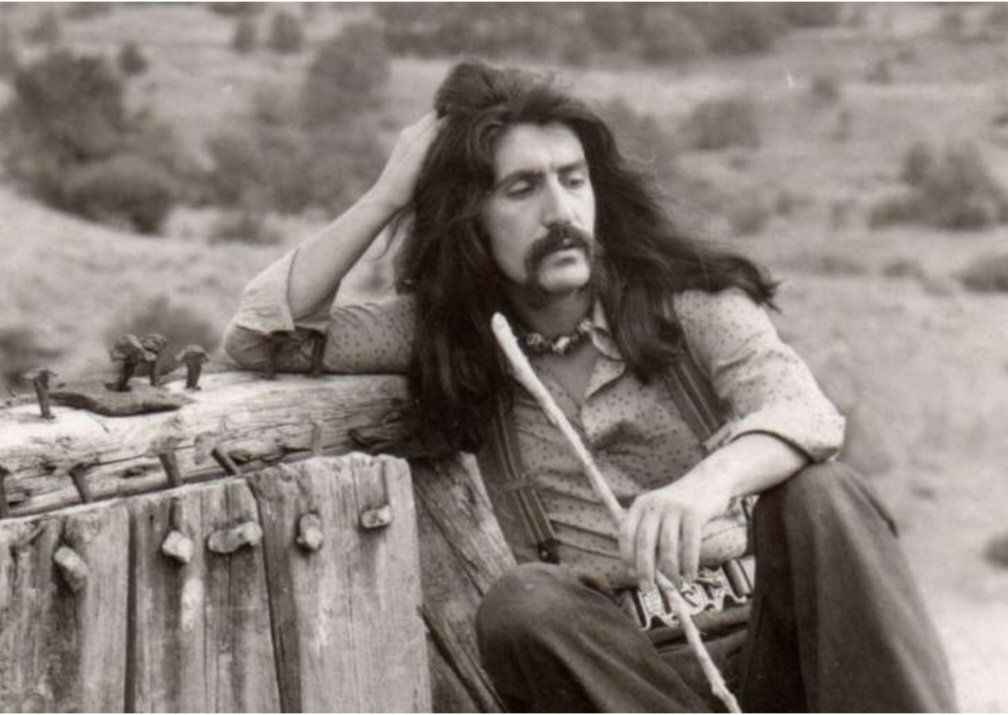
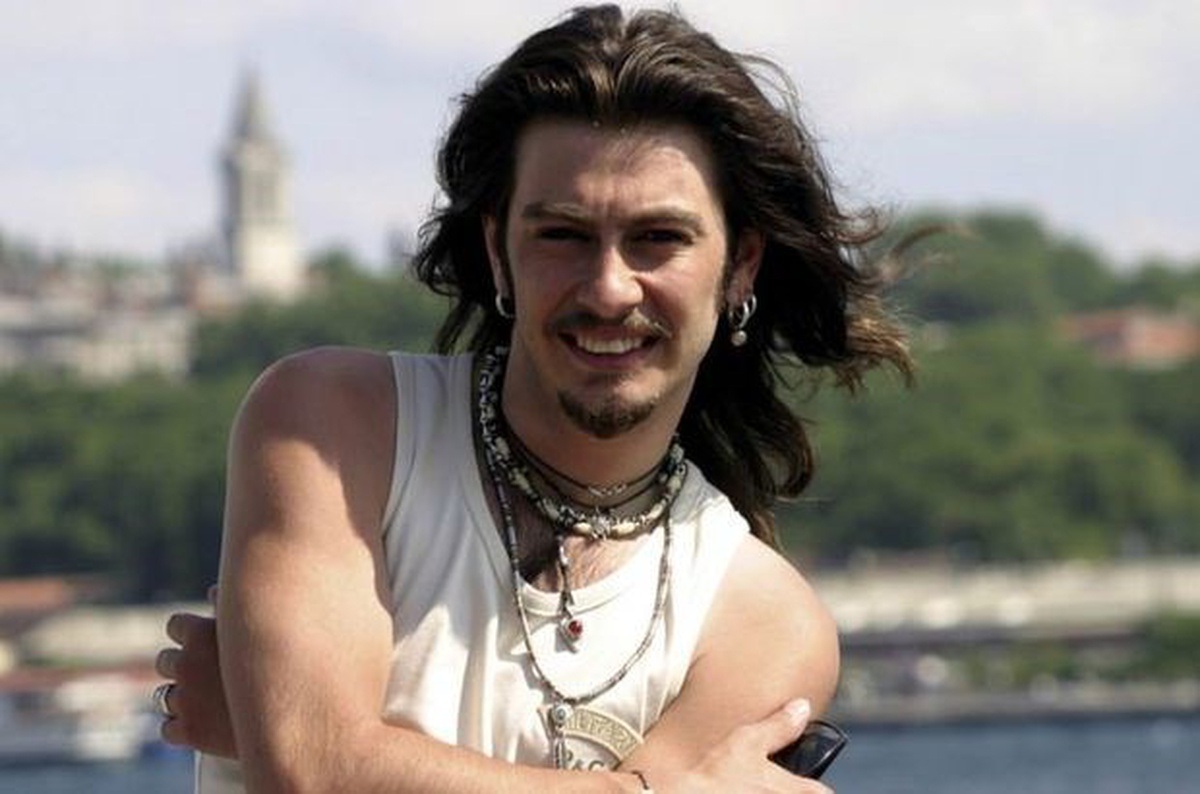
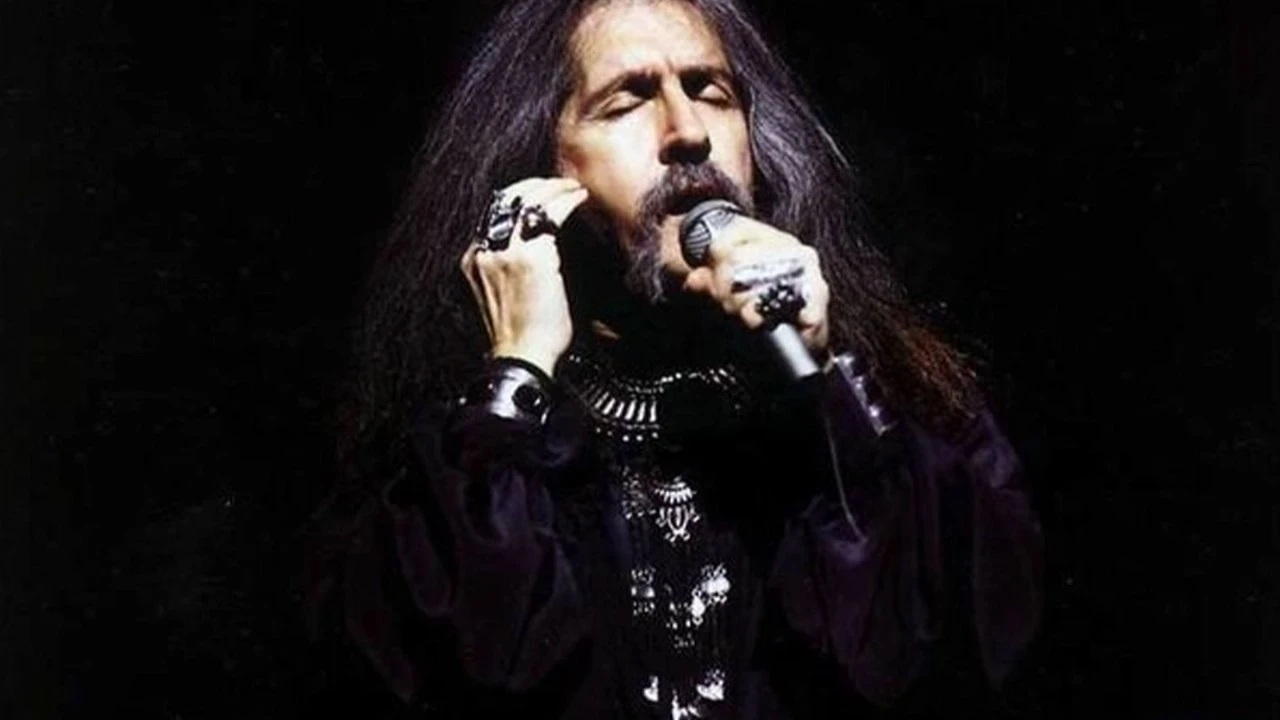
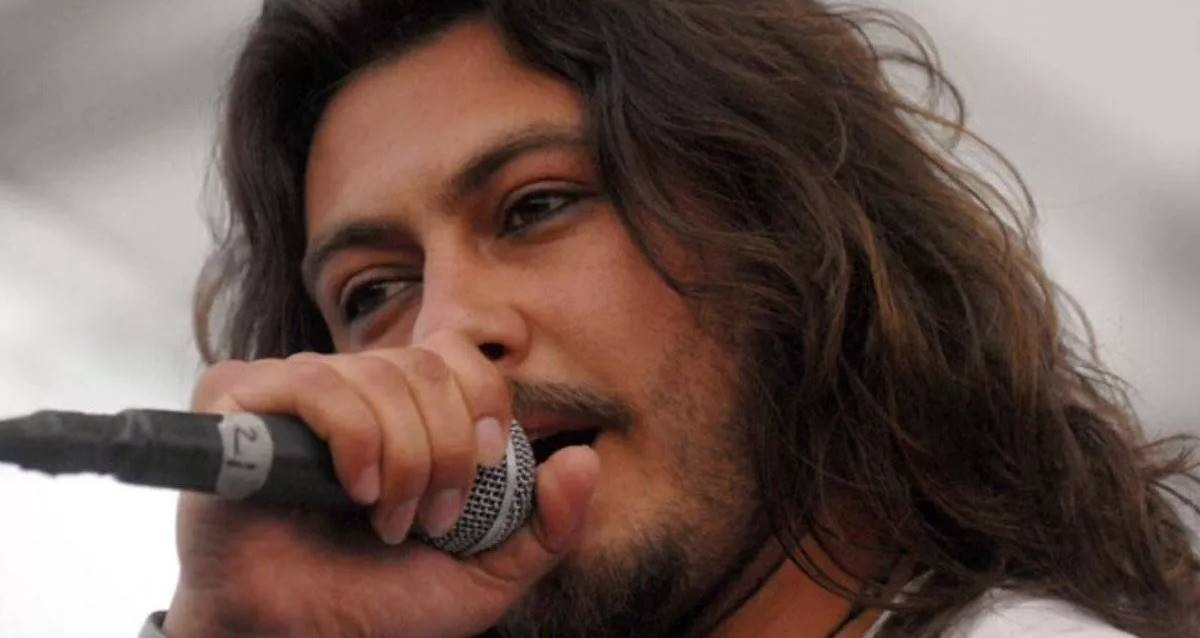
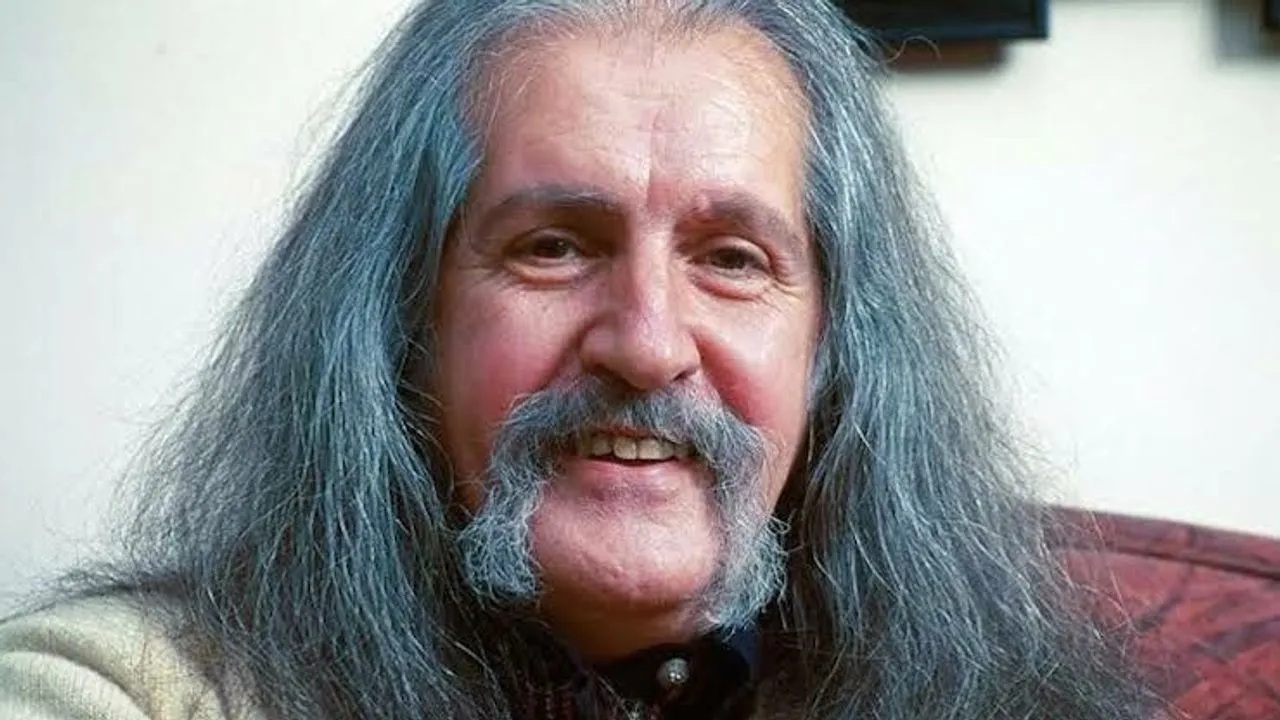
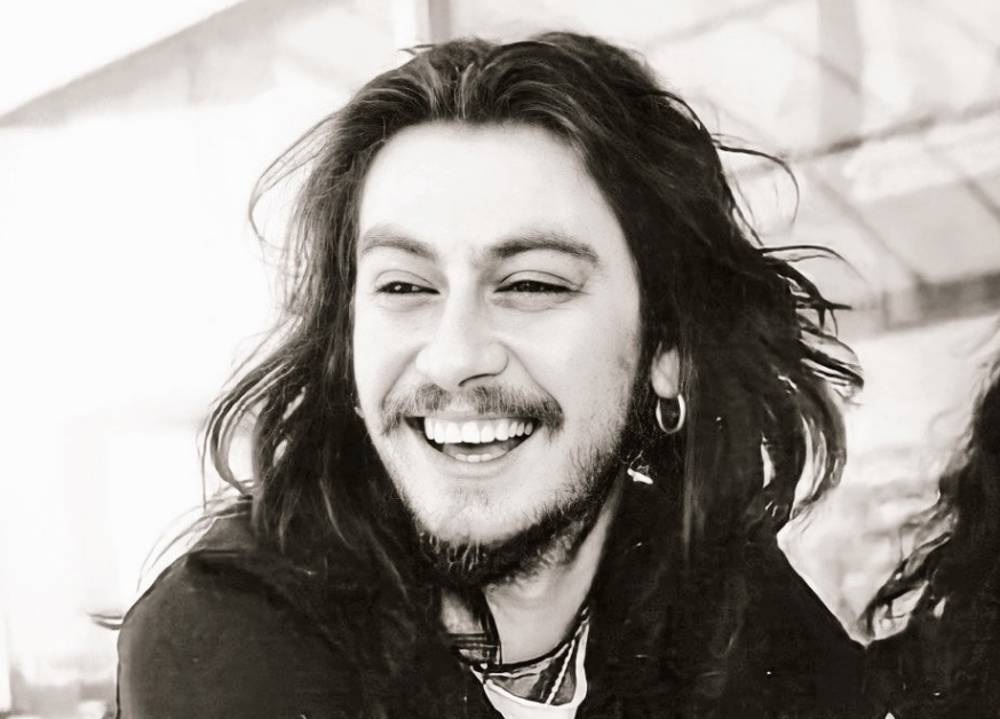
The long hair catches your eye first. Then the facial hair, the jewellery, the familiar combination of rock-star extravagance and an approachable face. Put Barış Manço and Barış Akarsu beside each other and it is easy to imagine a family resemblance. The photographs make the introduction; their less familiar stories make the comparison worth pursuing.
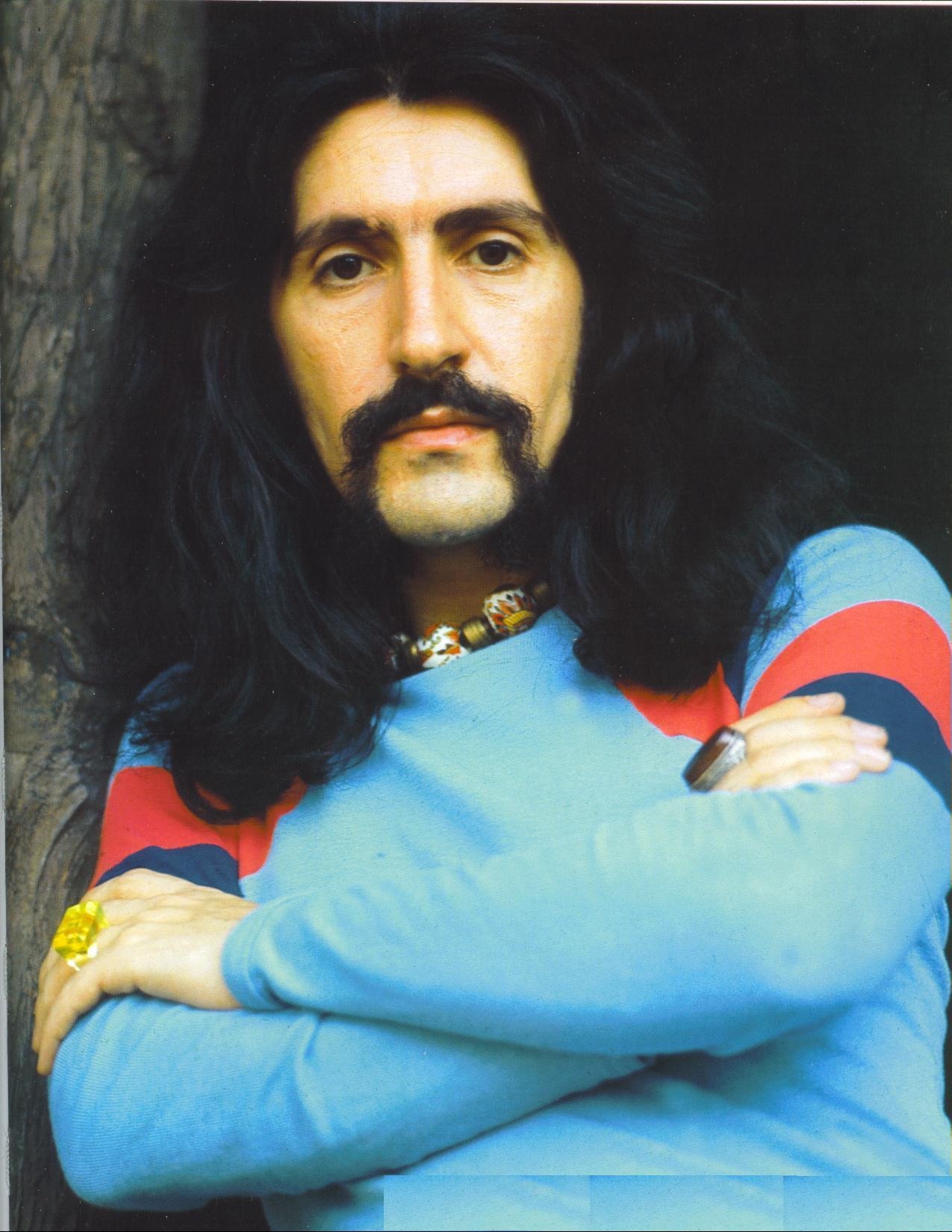
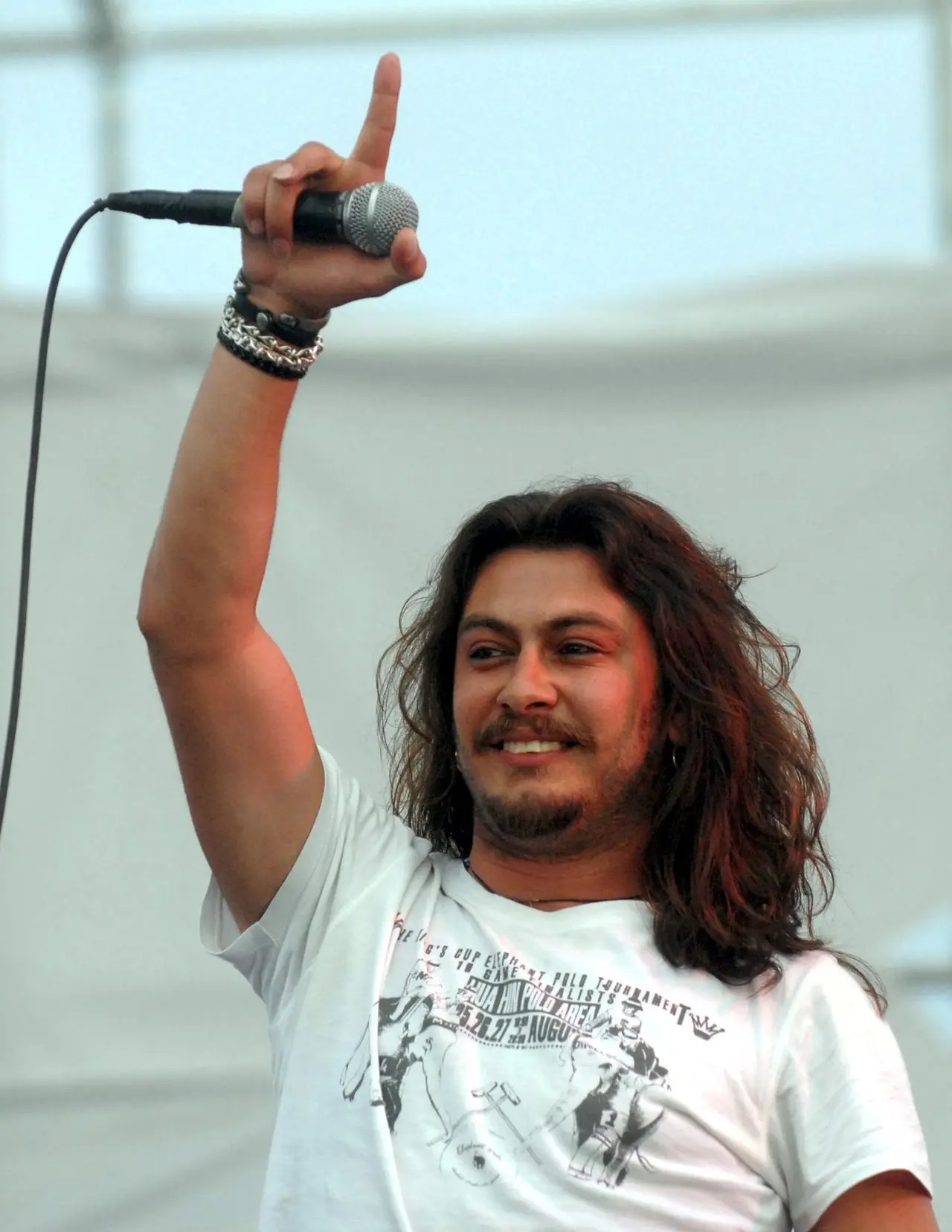
Manço, born in Istanbul in 1943, helped establish Anatolian rock with a career spanning decades and an enduring partnership with Kurtalan Ekspres. His television programme 7’den 77’ye made him part of family life across Turkey. Akarsu, born in 1979 and raised in Amasra, became nationally known after winning Akademi Türkiye in 2004, released two albums during his lifetime and starred in Yalancı Yarim. Manço’s cultural stature was vastly greater; Akarsu’s career was still taking shape. Manço’s museum biography*, Akarsu’s career*.

A look assembled by accident
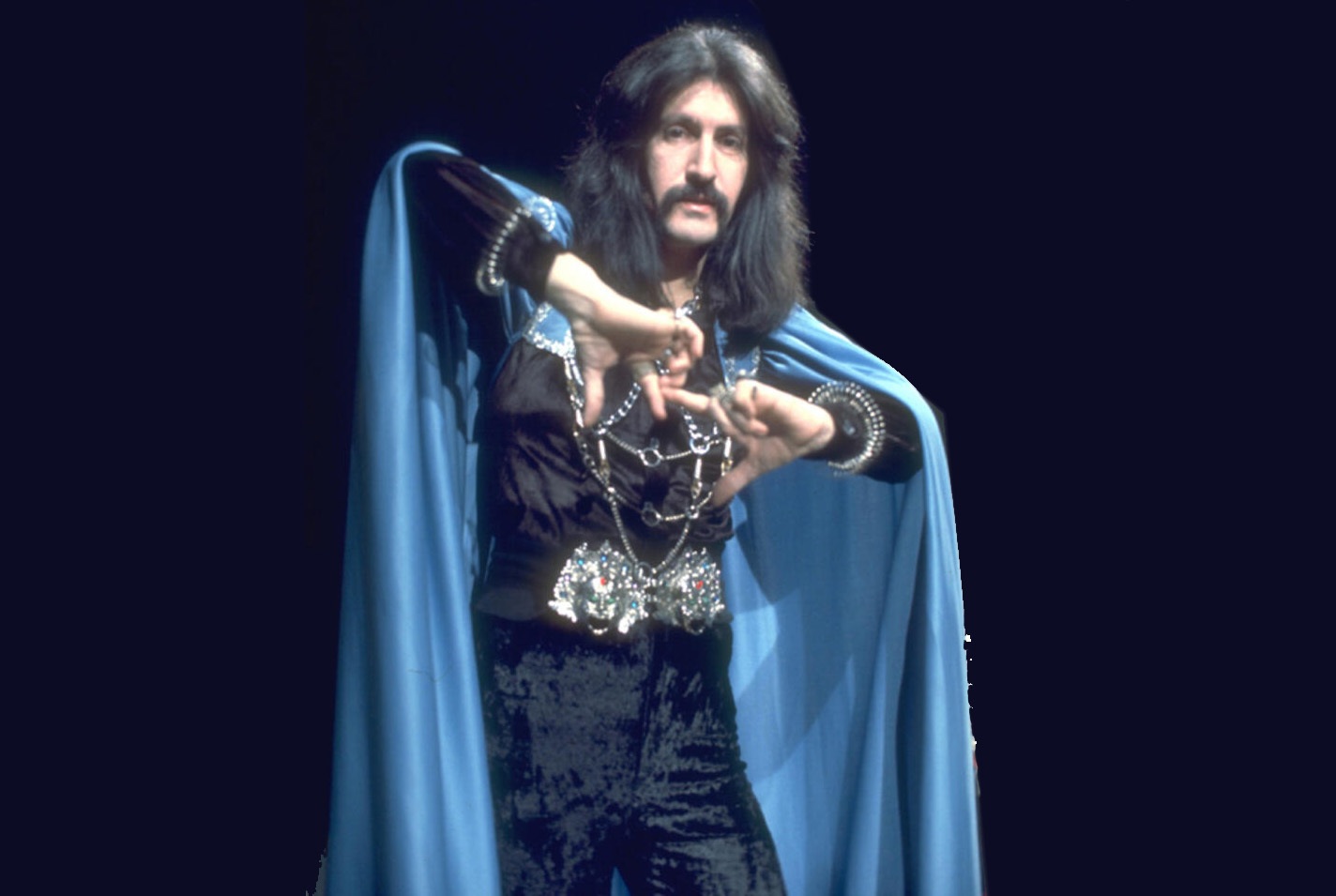
Manço’s moustache has an origin more specific than fashion. In conversations recorded by Gökhan Akçura in 1984 and published in Roll after Manço’s death, he explained that a 1967 car accident in the Netherlands had scarred his face. He grew the moustache to cover the marks, lengthened his hair to balance it, then found that the resulting look sat strangely above a conventional suit. The clothes changed too. What became an instantly recognisable image had developed one adjustment at a time. The original interview, pages 10–11*.
Akarsu, in turn, said he had never sat down to invent a style. It had formed gradually from childhood onwards. His own description leaves room for personality, habit and the music he grew up with, even when the result reminds us of somebody else. Akarsu’s account*.

A failed music exam, and a taste for techno
The same Roll interview contains a pleasing detail about Manço’s beginnings. The year he formed a school band was also the year he had to resit music. His repertoire then followed Elvis Presley and Paul Anka. The future architect of a distinctly Turkish rock sound began by singing what was fashionable elsewhere. Manço remembering his school years, page 9*.
Akarsu’s childhood listening offers its own surprise: he remembered being into techno at primary-school age. Ruhi Su, Cem Karaca and other formative influences came later. His account of those early interests*.
His father remembered music taking root on Amasra’s beach, where friends would gather around a fire and sing together. Selahattin Akarsu recalled buying the saz and keyboard, neither of which quite took, before his son found a guitar. He also remembered visiting an early bar engagement in Çakraz and being surprised to discover that Barış had already gathered an audience. Television eventually introduced him to the country; a small coastal audience had heard him first. Selahattin Akarsu’s interview with BirGün*.

The name was not a tribute
The shared first name seems to offer an obvious explanation. Surely the younger Barış was named after the older one?
His father explicitly said he was not. Manço’s music was played in the Akarsu household, alongside Cem Karaca, Zülfü Livaneli and Ruhi Su, but Selahattin connected his son’s name to 1979 being the International Year of the Child. Children represented peace to him; barış is the Turkish word for it. The musical influence and the naming decision were separate. The family’s Habertürk interview*.

Akarsu later gave that name a practical expression. In a remembrance published by MESAM in 2007, the BarışaRock organisers recalled him approaching them in 2005 because he wanted to perform. They invited him to their meetings. Their memories included marching with him at anti-war and climate demonstrations, as well as making music. This is a small but revealing part of his biography: the television contestant was also someone who turned up for the organising. BarışaRock’s remembrance, printed page 12*.
Someone heard the resemblance, too
A particularly useful connection survives in an interview that was not primarily about either man. In MESAM’s September–October 2007 magazine, songwriter Figen Çakmak was discussing music competitions. She singled out Akarsu and said that, in her opinion, he had interpreted Manço’s songs best. Çakmak’s praise is a useful contemporary link: she was talking about what Akarsu did with the songs. Çakmak’s interview, printed page 28*.
There is another voice in the comparison, however: Cem Karaca. Akarsu explained that the response to his competition performance of “Islak Islak” had led people to associate him with Karaca, helping determine the choice of his debut album’s title song. His influences overlapped; the face that reminded someone of Manço did not prescribe a single musical ancestry. Akarsu discussing the album*.
The ages they expected to reach
Both deaths left a painful sense of interruption, although the circumstances were different. Manço suffered a heart attack on the night of 31 January 1999 and died on 1 February, aged 56. Akarsu was severely injured in a road accident on his 28th birthday, 29 June 2007, and died on 4 July after five days in intensive care. TRT on Manço*, Habertürk on Akarsu*.


Their own descriptions of the future are more affecting than any invented parallel. Manço imagined reaching 80 and taking the stage for a symphonic performance of 2023, perhaps leaning on his son Doğukan for help. He pictured the older body, the assistance, the music continuing. His ambition, recalled by TRT*.

Akarsu’s horizon was closer. Bianet’s contemporary obituary recalled him speaking at 27 about being 37 in ten years, and hoping to remain a good musician. It also noted his wish to be known as Barış Akarsu, rather than simply as an heir to Manço or Karaca. Bianet, 6 July 2007*.

Thirty-seven and eighty: ages they could describe, but never inhabit. Those old interviews briefly give back something the familiar photographs cannot—two people who still expected to grow older.